C&J Gardening Center
Rancho Cucamonga, CA
31 options
One of 31 nursery listings
Alano Sapodilla
Variety not confirmed
3 galCall for pricing
Catalog checked Oct 15, 2026. Confirm availability before visiting.
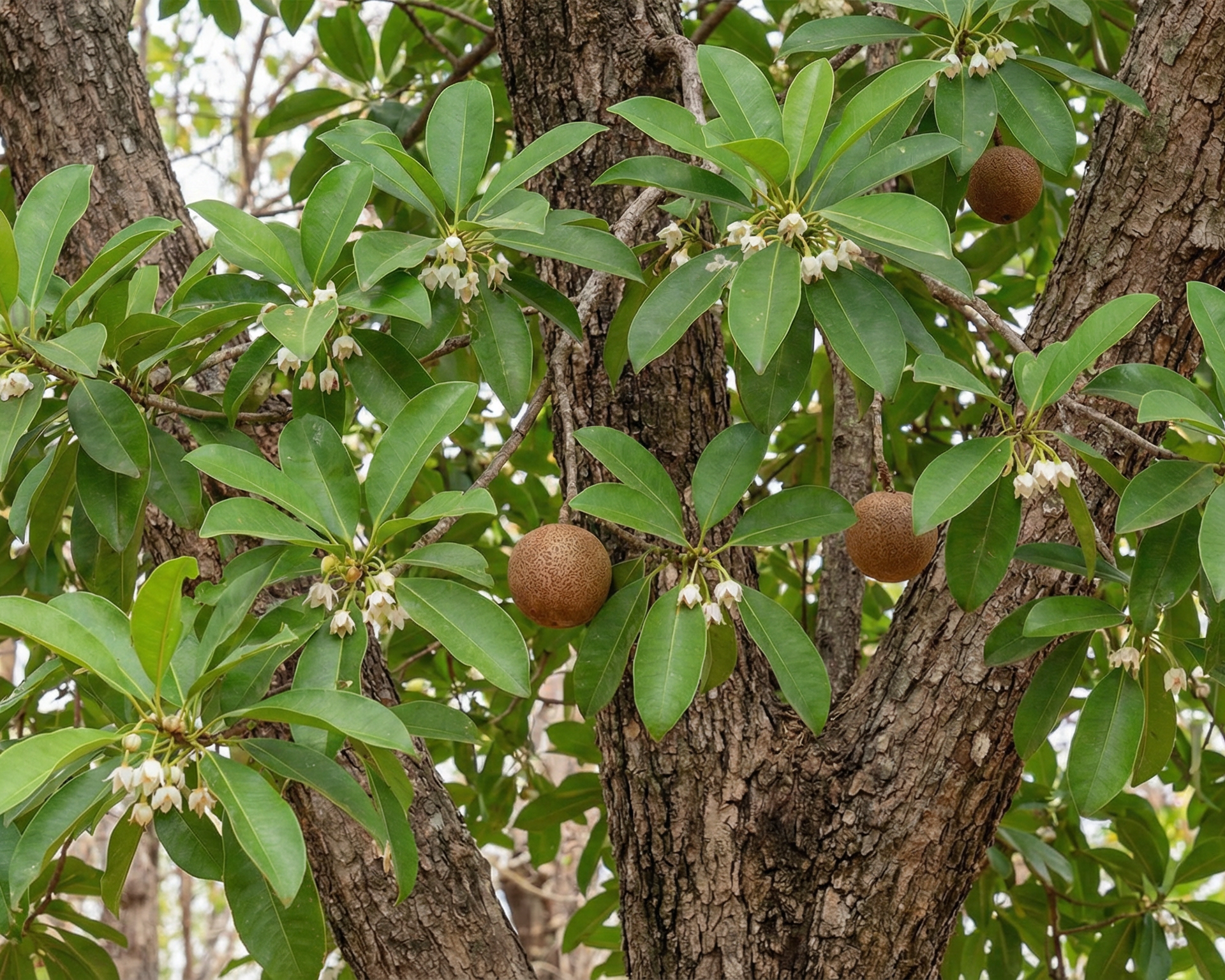
Manilkara zapota
11 nurseries nationwide · 10 named varieties
Choose a city or ZIP to find nearby growers. Showing nationwide listings until you choose an area.
11 nurseries · 147 matching options
Rancho Cucamonga, CA
31 options
One of 31 nursery listings
Alano Sapodilla
Variety not confirmed
Call for pricing
Catalog checked Oct 15, 2026. Confirm availability before visiting.
Homestead, FL
7 named varieties · 21 options
Lowest priced listing
Morena
From $39.95
Catalog checked Oct 15, 2026. Confirm availability before visiting.
Lake Worth, FL
1 option
Nursery listing
Variety not confirmed
Call for pricing
Catalog check date not provided. Confirm availability before visiting.
Phoenix, AZ
3 options
Lowest priced listing
Sapodilla Chico Sapote (Sa Pô Chê)
Variety not confirmed
From $95.00
Catalog checked Oct 15, 2026. Confirm availability before visiting.
Loxahatchee, FL
8 named varieties · 50 options
Lowest priced listing
Alano
From $65.00
Catalog checked Oct 15, 2026. Confirm availability before visiting.
Miami, FL
26 options
Lowest priced listing
Grafted Sapodilla aka Nispero Tree (8 Varieties)
Variety not confirmed
From $65.00
Catalog checked Oct 15, 2026. Confirm availability before visiting.
Houston, TX
3 options
One of 3 nursery listings
Sapodilla plant
Variety not confirmed
Call for pricing
Catalog checked Oct 15, 2026. Confirm availability before visiting.
Miami, FL
1 option
Nursery listing
Variety not confirmed
Call for pricing
Catalog check date not provided. Confirm availability before visiting.
Showing 1–8 of 11 nurseries
Load more nurseriesSapodilla (Manilkara zapota), also known as Chiku, is a long-living evergreen tree native to southern Mexico and Central America. It is widely cultivated in tropical regions worldwide, including India, Thailand, and the Philippines. The tree can grow to impressive heights of over 30 meters in the wild, but cultivated varieties are typically smaller, ranging from 9 to 15 meters. Its bark is rich in a white, gummy latex called chicle, which was famously used to make chewing gum. The sapodilla tree is characterized by its glossy, dark green leaves and produces small, inconspicuous white flowers. The fruit, a large berry, is round or oval with a rough, brown skin. When unripe, the fruit is hard and contains a high amount of saponin, giving it an astringent taste. A ripe sapodilla, however, has a soft, saggy skin and its flesh is exceptionally sweet with a malty flavor and a grainy texture similar to a pear. Each fruit contains one to six hard, black seeds that should not be ingested. Sapodilla is a nutritious fruit, rich in vitamins A and C, and a good source of dietary fiber. It is also a good source of minerals like calcium and phosphorus, which are essential for bone health. The fruit is commonly eaten fresh, but it is also used in a variety of culinary applications, including smoothies, desserts, jams, and chutneys. In some cultures, it has been used for its potential medicinal properties, with remedies for coughs, colds, and diarrhea. The oil extracted from the seeds is also used in the cosmetic industry for making soaps and other skincare products.
Explore the complete plant collection, including varieties with no nursery listings yet.