Advanced Nursery Growers
Defuniak Springs, FL
3 options
Lowest priced listing
Coral Honeysuckle - Native Flowering Vine
Variety not confirmed
1 galFrom $14.00
Catalog checked Oct 15, 2026. Confirm availability before visiting.
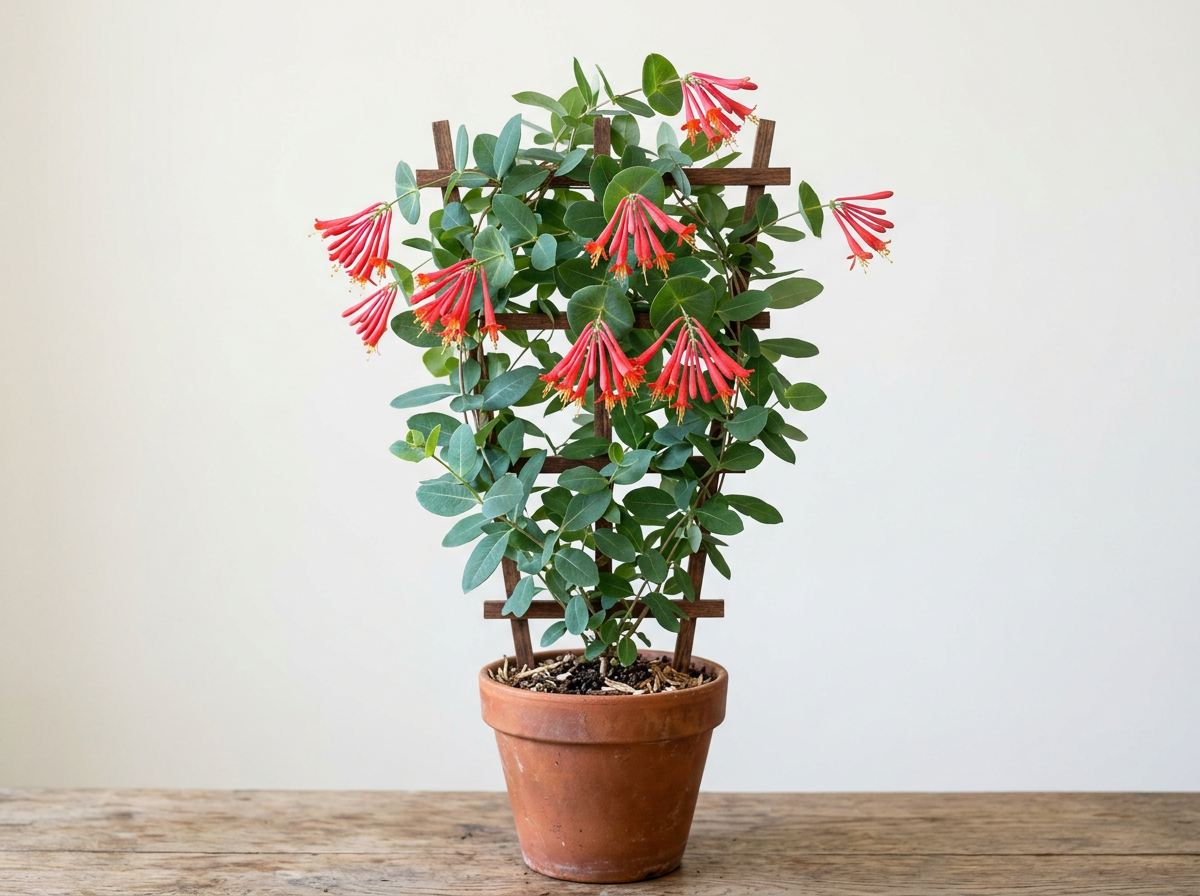
Lonicera sempervirens
9 nurseries nationwide
9 nurseries · 20 matching options
Defuniak Springs, FL
3 options
Lowest priced listing
Coral Honeysuckle - Native Flowering Vine
Variety not confirmed
From $14.00
Catalog checked Oct 15, 2026. Confirm availability before visiting.
De Leon Springs, FL
1 option
Coral Honeysuckle
Variety not confirmed
$12.00
Catalog checked Oct 15, 2026. Confirm availability before visiting.
Cocoa, FL
3 options
Lowest priced listing
Coral Honeysuckle Vine
Variety not confirmed
From $9.95
Catalog checked Oct 15, 2026. Confirm availability before visiting.
Loxahatchee, FL
1 option
Coral Honeysuckle Vine
Variety not confirmed
$20.00
Catalog checked Oct 15, 2026. Confirm availability before visiting.
Tampa, FL
5 options
Lowest priced listing
Coral Honeysuckle (Lonicera sempervirens)
Variety not confirmed
From $7.00
Catalog checked Oct 15, 2026. Confirm availability before visiting.
Stanford, KY
1 option
'Firecracker' Native Coral Honeysuckle Vine NEW!!!
Variety not confirmed
$37.99
Catalog checked Oct 15, 2026. Confirm availability before visiting.
Fountain, FL
2 options
Lowest priced listing
Coral Honeysuckle
Variety not confirmed
From $10.00
Catalog checked Oct 15, 2026. Confirm availability before visiting.
Miami, FL
2 options
Lowest priced listing
Coral Honeysuckle - Lonicera sempervirens
Variety not confirmed
From $25.00
Catalog checked Oct 15, 2026. Confirm availability before visiting.
Showing 1–8 of 9 nurseries
Load more nurseriesCoral Honeysuckle is a twining vine native to the eastern United States, Florida included, that carries clustered trumpet flowers, scarlet to coral outside and yellow within, from spring into summer. Lonicera sempervirens climbs a trellis, fence, or arbor and is grown above all for hummingbirds, which pollinate it, and for the red berries that feed birds in late summer. Plant it in full sun for the heaviest bloom, or in partial shade, in medium-moisture, well-drained soil, and it takes short dry spells once established. It reaches 10 to 20 feet, hardy in USDA zones 4 through 9 and zone 10 in Florida, evergreen in central and south Florida and deciduous where winters are colder. Prune after the main flush of bloom to keep it inside its support. Unlike invasive Japanese honeysuckle, it stays in bounds, and it hosts spring azure and snowberry clearwing caterpillars. The berries are not for people.