Emerald Island Garden Center
Cocoa, FL
1 option
Elliot's Lovegrass (Eragrostis Elliottii) N
Variety not confirmed
1 gal$7.95
Catalog checked Oct 15, 2026. Confirm availability before visiting.
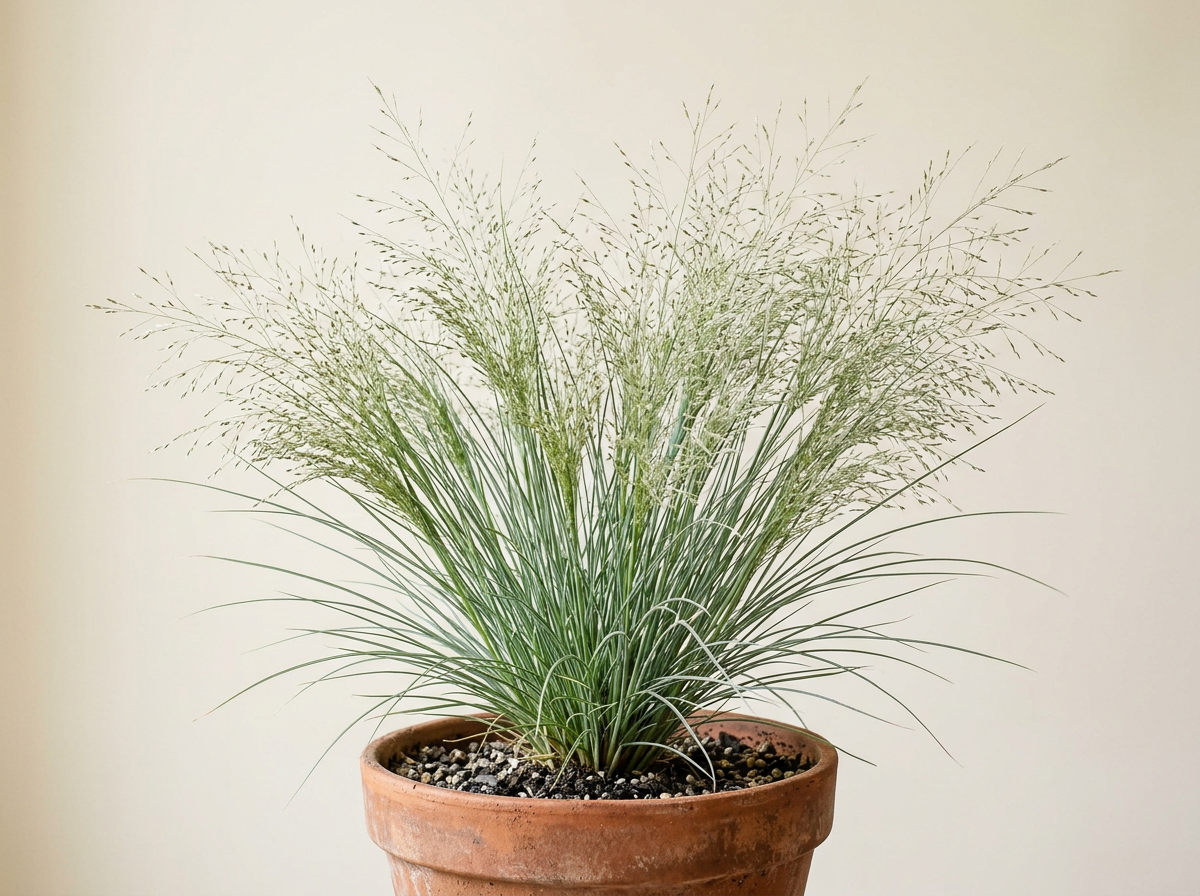
Eragrostis elliottii
6 nurseries nationwide
6 nurseries · 9 matching options
Cocoa, FL
1 option
Elliot's Lovegrass (Eragrostis Elliottii) N
Variety not confirmed
$7.95
Catalog checked Oct 15, 2026. Confirm availability before visiting.
Groveland, FL
1 option
Elliot’s Lovegrass / Eragrostis elliottii*
Variety not confirmed
Call for pricing
Catalog checked Oct 2, 2026. Confirm availability before visiting.
Tampa, FL
2 options
Lowest priced listing
Elliott's Lovegrass (Eragrostis elliottii)
Variety not confirmed
From $4.00
Catalog checked Oct 15, 2026. Confirm availability before visiting.
Fountain, FL
2 options
Lowest priced listing
Elliot’s Lovegrass
Variety not confirmed
From $10.00
Catalog checked Oct 15, 2026. Confirm availability before visiting.
Rhinebeck, NY
1 option
Eragrostis elliottii | love grass
Variety not confirmed
Call for pricing
Catalog checked Oct 15, 2026. Confirm availability before visiting.
Largo, FL
2 options
Lowest priced listing
Elliott’s LoveGrass
Variety not confirmed
From $4.25
Catalog checked Oct 15, 2026. Confirm availability before visiting.
Showing 1–6 of 6 nurseries
Elliott's Lovegrass is a bunchgrass native across the Southeast, from the Carolinas through Florida to Texas. Eragrostis elliottii forms tidy clumps of fine, arching blades with a silvery blue cast, and from late summer into fall it lifts airy panicles of tiny whitish beige flowers over the foliage as a soft haze, a texture used in masses, meadow plantings, and path edges. Plant it in full sun, or light shade at most, in sandy or loamy soil that drains. It takes ground that stays moist with occasional flooding as well as dry sand, tolerates drought once established, and gets by on poor soil. Clumps reach 1 to 3 feet tall and 1 to 2 feet wide, hardy in USDA zones 8a through 10b. This short lived perennial dies back over winter in the cooler part of its range, hosts the Zabulon skipper, and feeds seed eating birds.