Advanced Nursery Growers
Defuniak Springs, FL
1 option
COONTIE PALM NATIVE
Variety not confirmed
3 gal$27.00
Catalog checked Oct 15, 2026. Confirm availability before visiting.
14 nurseries nationwide
Choose a city or ZIP to find nearby growers. Showing nationwide listings until you choose an area.
14 nurseries · 49 matching options
Defuniak Springs, FL
1 option
COONTIE PALM NATIVE
Variety not confirmed
$27.00
Catalog checked Oct 15, 2026. Confirm availability before visiting.
De Leon Springs, FL
1 option
Coontie Palm
Variety not confirmed
$15.00
Catalog checked Oct 15, 2026. Confirm availability before visiting.
Cocoa, FL
2 options
Lowest priced listing
Coontie Palm (Zamia integrifolia)
Variety not confirmed
From $34.95
Catalog checked Oct 15, 2026. Confirm availability before visiting.
Miami, FL
14 options
Lowest priced listing
Coontie Palm, Zamia pumila For Florida Landscape
Variety not confirmed
From $14.99
Catalog checked Oct 15, 2026. Confirm availability before visiting.
Homestead, FL
2 options
Lowest priced listing
Coontie Palm
Variety not confirmed
From $34.97
Catalog checked Oct 15, 2026. Confirm availability before visiting.
Pierson, FL
1 option
Native Coontie (Zamia Integrifolia)
Variety not confirmed
$18.00
Catalog checked Oct 15, 2026. Confirm availability before visiting.
Loxahatchee, FL
2 options
Lowest priced listing
Coontie Plant
Variety not confirmed
From $35.00
Catalog checked Oct 15, 2026. Confirm availability before visiting.
Lutz, FL
2 options
Lowest priced listing
Coontie Palm
Variety not confirmed
From $10.00
Catalog checked Oct 15, 2026. Confirm availability before visiting.
Showing 1–8 of 14 nurseries
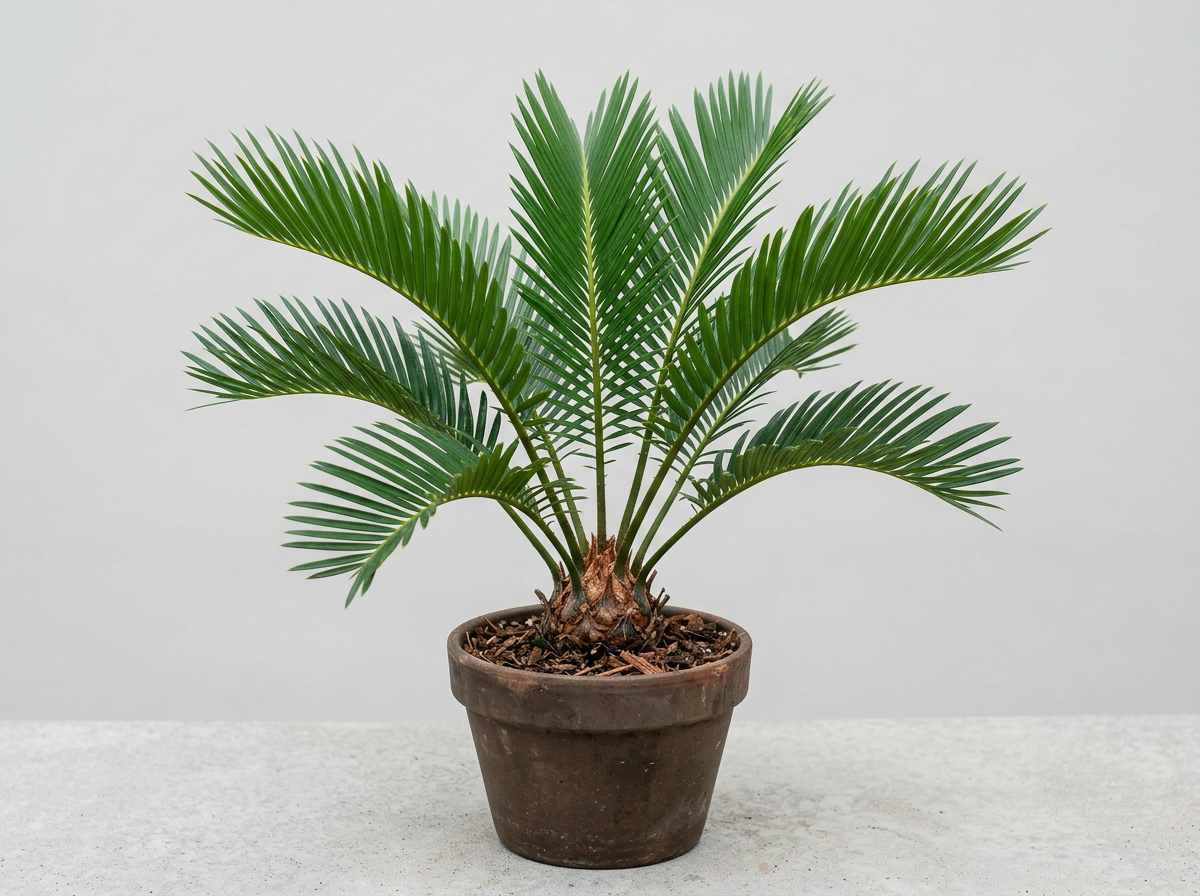
Load more nurseriesCoontie, or Zamia integrifolia, is the only cycad native to the continental United States, growing wild in Florida and southeastern Georgia. It forms a slow growing evergreen mound of stiff, glossy, featherlike leaves 2 to 3 feet tall and 3 to 5 feet wide, and it feeds the caterpillars of the rare atala butterfly. Every part is poisonous if eaten. It takes sun or shade, doing best with some shade, and most well drained soils, including sand. Hardy in USDA zones 8b to 11, it handles drought and moderate salt and rarely needs water once established. In south Florida, atala caterpillars may strip it bare, but healthy, established plants usually regrow within a growing season. It bears cones, not flowers, and female cones break open to reveal bright orange seeds, the most toxic part; 1 or 2 can kill a pet, so keep pets and small children away.