Incredible Edible Landscapes
Loxahatchee, FL
1 named variety · 4 options
Lowest priced listing
Orange Mint
1 galFrom $9.00
Catalog checked Oct 15, 2026. Confirm availability before visiting.
Mentha spp.
19 nurseries nationwide · 3 named varieties
19 nurseries · 45 matching options
Loxahatchee, FL
1 named variety · 4 options
Lowest priced listing
Orange Mint
From $9.00
Catalog checked Oct 15, 2026. Confirm availability before visiting.
Crawfordville, FL
3 named varieties · 5 options
Lowest priced listing
Chocolate Mint
From $5.99
Catalog checked Oct 15, 2026. Confirm availability before visiting.
Modesto, CA
1 option
Apple Mint Plant Mentha Suaveolens Herb 4 inches Veggies A Live Plant
Variety not confirmed
Call for pricing
Catalog checked Oct 15, 2026. Confirm availability before visiting.
Portland, OR
1 option
Spearmint
Variety not confirmed
$9.95
Catalog checked Oct 15, 2026. Confirm availability before visiting.
Stanford, KY
1 option
Spearmint Kentucky Colonel 3 Cell Starter Pack
Variety not confirmed
$19.99
Catalog checked Oct 15, 2026. Confirm availability before visiting.
La Plata, MO
1 option
Apple Mint, Mentha suaveolens Zones 5-9
Variety not confirmed
$16.00
Catalog checked Oct 15, 2026. Confirm availability before visiting.
Oakland, CA
2 options
One of 2 nursery listings
Pennyroyal (mentha pulegium)
Variety not confirmed
Call for pricing
Catalog checked Oct 15, 2026. Confirm availability before visiting.
Cleveland, MO
1 option
Mint Spearmint
Variety not confirmed
Seasonal retail; confirm opening and ordering dates directly with the nursery.
$1.00
Catalog checked Oct 15, 2026. Confirm availability before visiting.
Showing 9–16 of 19 nurseries
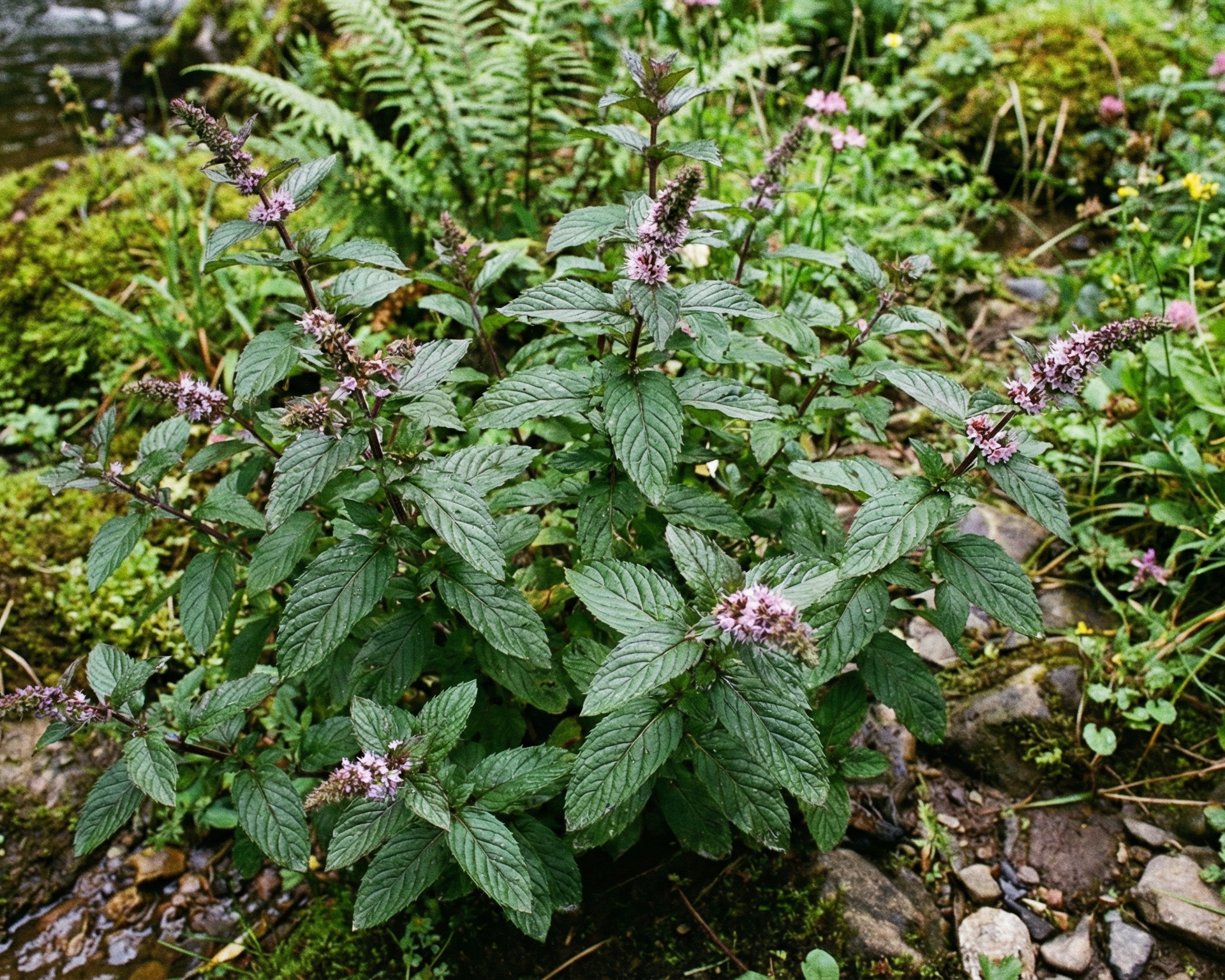
Load more nurseriesMint (genus Mentha) is a group of about 25 species of aromatic perennial herbs in the mint family (Lamiaceae). Native across Eurasia, North America, southern Africa, and Australia, these plants are widely recognized for their characteristic fragrance and flavor. The name Mentha has its roots in Greek mythology, named after the nymph Minthe who was transformed into a mint plant. This genus includes well-known species such as peppermint (Mentha × piperita), spearmint (Mentha spicata), and wild mint (Mentha arvensis). Characterized by their square stems and oppositely arranged leaves, mints are vigorous growers that spread rapidly through a network of underground rhizomes. This growth habit can make them invasive in some garden settings, though they are generally easy to cultivate. The leaves are typically simple and toothed, and they release a strong, pleasant aroma when crushed. In summer, mint plants produce small, tubular flowers that are usually purple, pink, or white, arranged in whorls on a terminal spike. The plants thrive in moist, well-drained soils and prefer partial shade to full sun. The primary significance of the Mentha genus lies in its widespread use in culinary and commercial applications. The leaves, both fresh and dried, are a staple in kitchens worldwide, used to flavor beverages like tea and cocktails, as well as salads, desserts, and savory dishes. The essential oils extracted from mint, particularly menthol from peppermint, are of great commercial importance. These oils are used to flavor everything from chewing gum and candy to toothpaste and pharmaceuticals. Beyond its culinary uses, mint has a long history in traditional medicine as a remedy for digestive ailments, and its cooling sensation provides relief in various topical preparations.
Explore the complete plant collection, including varieties with no nursery listings yet.