Green Isle Gardens
Groveland, FL
2 options
One of 2 nursery listings
Eastern Redbud / Cercis canadensis*
Variety not confirmed
3 galCall for pricing
Catalog checked Oct 2, 2026. Confirm availability before visiting.
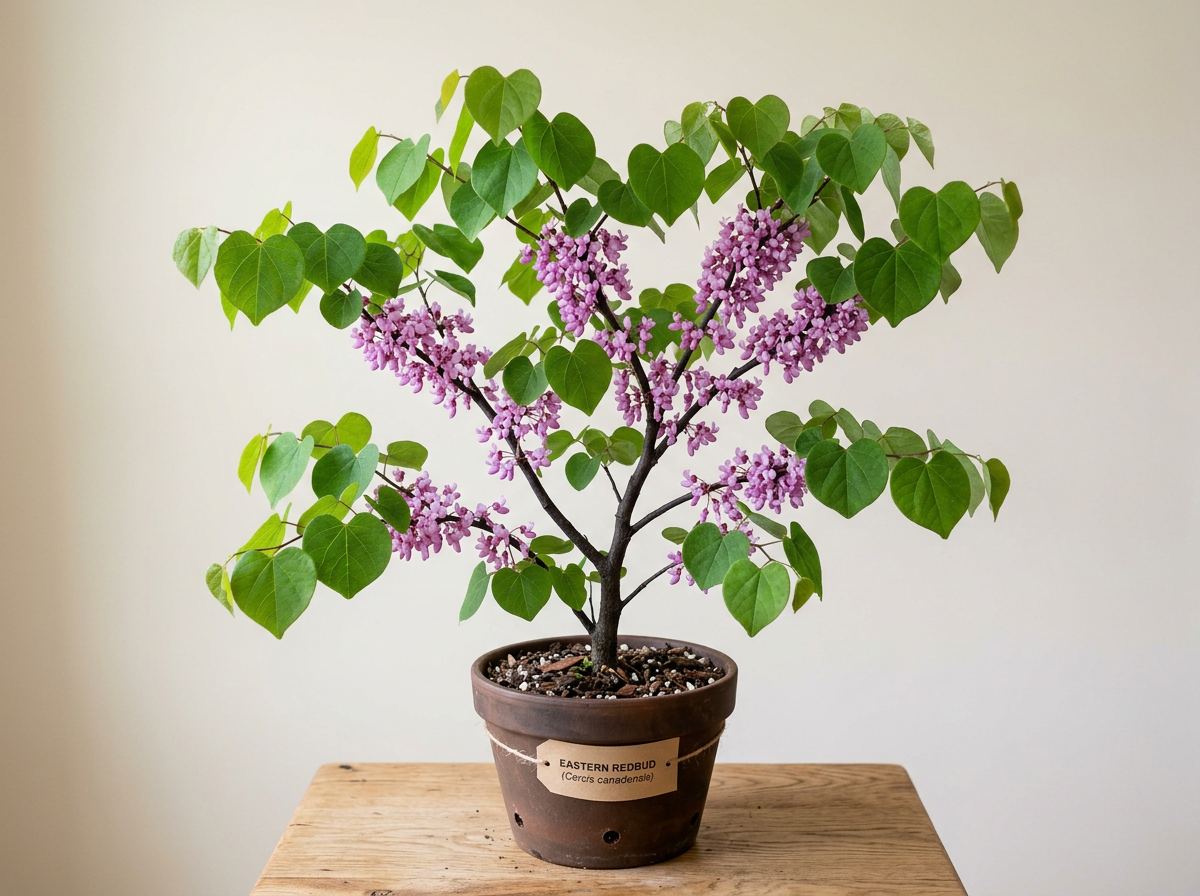
Cercis canadensis
39 nurseries nationwide
39 nurseries · 221 matching options
Groveland, FL
2 options
One of 2 nursery listings
Eastern Redbud / Cercis canadensis*
Variety not confirmed
Call for pricing
Catalog checked Oct 2, 2026. Confirm availability before visiting.
McMinnville, TN
12 options
One of 12 nursery listings
Cercis Canadensis ‘Forest Pansy’
Variety not confirmed
Call for pricing
Catalog checked Oct 15, 2026. Confirm availability before visiting.
Mukwonago, WI
1 option
Cercis canadensis Red bud, Judas tree. Z 4-8
Variety not confirmed
Call for pricing
Catalog checked Oct 15, 2026. Confirm availability before visiting.
Chardon, OH
2 options
Lowest priced listing
Cercis canadensis – Eastern Redbud
Variety not confirmed
From $120.00
Catalog checked Oct 15, 2026. Confirm availability before visiting.
Crawfordville, FL
2 options
Lowest priced listing
Eastern Redbud Tree
Variety not confirmed
From $29.99
Catalog checked Oct 15, 2026. Confirm availability before visiting.
Stanwood, WA
2 options
One of 2 nursery listings
Cercis canadensis 'Black Pearl' PP28627 (Eastern Redbud)
Variety not confirmed
Call for pricing
Catalog checked Oct 15, 2026. Confirm availability before visiting.
Liberty, SC
21 options
One of 21 nursery listings
Cercis canadensis 'Appalachian Red' ~ Appalachian Red Redbud
Variety not confirmed
Call for pricing
Catalog checked Oct 15, 2026. Confirm availability before visiting.
Middleton, WI
9 options
One of 9 nursery listings
Cercis canadensis ‘Flame Thrower’™
Variety not confirmed
Call for pricing
Catalog checked Oct 15, 2026. Confirm availability before visiting.
Showing 9–16 of 39 nurseries
Load more nurseriesEastern Redbud, Cercis canadensis, is a small native deciduous tree of eastern and central North America. In late winter or early spring, before the leaves emerge, clusters of pink to purplish pink pea-shaped flowers line the bare branches and sometimes the trunk. Heart-shaped leaves turn yellow in fall, and flat brown seed pods hang on into winter. Grow it in full sun to part shade in USDA zones 4 through 9, where it reaches 20 to 30 feet tall and roughly as wide. It accepts sand, loam, or clay, acidic to alkaline, but prefers moist, well-drained ground over permanently wet soil. Water through summer dry spells; established trees handle moderate drought but have no salt tolerance. Branches break easily, so give it a sheltered spot. Native south to central Florida, it may not bloom well at the far south end of that range. The flowers are edible.